Zucchini Muffins: A Strategic Asset for Modern Branding
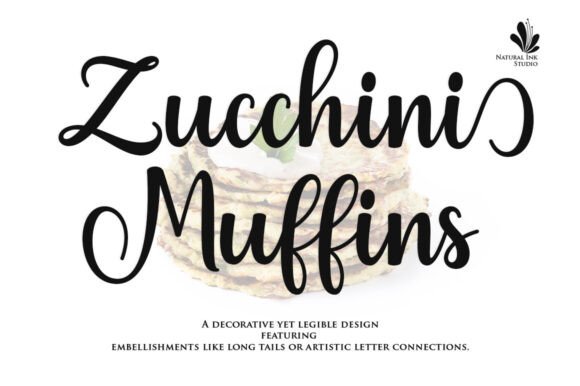
In a digital landscape saturated with generic templates and sterile typography, the choice of typeface is rarely just an aesthetic decision; it is a strategic lever that influences perception, trust, and conversion. Zucchini Muffins represents a sophisticated departure from the standard sans-serif or serif defaults. This contemporary calligraphy masterpiece is not merely a decorative element but a tool designed to bridge the gap between professional authority and human connection. By effortlessly blending casual beauty with a calculated dash of swash, this font breathes life into creative projects that require both elegance and approachability.
For entrepreneurs, marketers, and content creators aged 20 to 50, understanding the nuanced application of Zucchini Muffins can elevate brand artifacts from simple visuals to compelling communication assets. Whether you are crafting a logo for a boutique lifestyle brand, designing packaging for artisanal goods, or curating romantic wedding invitations, the fluid elegance of this regular-styled script offers a distinct competitive advantage. It transforms branding artifacts, persuasive headlines, and distinctive signage by adding a layer of personality that mass-market fonts simply cannot replicate.
The Strategic Value of Hand-Drawn Aesthetics in Business
Why does a font like Zucchini Muffins matter in a data-driven business environment? The answer lies in the psychology of design. Consumers today are fatigued by the uniformity of corporate identity. They crave authenticity and a sense of the "human touch." When a business utilizes a font that mimics the natural flow of handwriting, it signals effort, care, and individuality. This psychological cue is particularly potent for small business owners, freelancers, and hobbyists looking to differentiate themselves in crowded markets.
The specific characteristics of Zucchini Muffins—its fluidity and its blend of casual beauty with structured swashes—make it ideal for positioning a brand as premium yet accessible. Unlike rigid scripts that can feel formal or outdated, this font maintains a modern sensibility. It allows brands to communicate complex messages with simplicity. For instance, when used on product packaging, it suggests that the contents are crafted with attention to detail rather than mass-produced. In the context of book covers or statement-making posters, it invites the audience to pause and engage, increasing dwell time and retention rates.
Furthermore, the versatility of Zucchini Muffins extends beyond static images. In the realm of personalized signatures and chic labels, it adds a level of exclusivity that fosters customer loyalty. When a client receives a document or a package featuring this typeface, they perceive higher value. This perceived value is a critical component of long-term results and brand equity. It is not about making everything look "pretty"; it is about aligning visual identity with the core values of quality and personalization.
Defining Use Cases for Maximum Impact
To leverage Zucchini Muffins effectively, one must move beyond random application and adopt a deliberate strategy. The font excels in scenarios where emotional resonance is as important as informational clarity. Consider the following practical applications:
- Romantic Wedding Invitations: The fluid strokes of the script evoke romance and tradition without feeling archaic. It sets a tone of celebration and intimacy immediately.
- Compelling Product Packaging: For food items, cosmetics, or handmade crafts, the font adds a tactile quality to the visual experience. It suggests freshness and artisanal origins.
- Branding Artifacts and Signage: Distinctive signage for cafes, boutiques, or studios benefits from the swash elements, which draw the eye and create memorable landmarks.
- Personalized Signatures: In email marketing or direct mail, using Zucchini Muffins for signatures humanizes the sender, reducing the barrier between the business and the consumer.
However, the utility of this font is not universal. It is less suitable for technical manuals, legal contracts, or high-density data displays where readability and neutrality are paramount. Recognizing these boundaries is essential for maintaining professional credibility. The goal is to use the font to enhance the message, not to obscure it.
Planning and Positioning with Intentional Typography
Successful implementation of Zucchini Muffins requires a planning phase that considers the broader communication goals. Before integrating the font into a project, ask yourself: What emotion do I want to evoke? Who is my target audience, and how will they interpret this style? For educators and bloggers, the font might be perfect for creating inspiring quotes or chapter headers, fostering a sense of warmth and encouragement. For publishers, it could define the cover of a memoir or a cookbook, signaling a narrative that is personal and engaging.
Decision-makers must also consider the hierarchy of information. Because Zucchini Muffins is a display script with significant visual weight, it should generally be reserved for headlines, titles, and short phrases. Using it for body text can lead to cognitive overload, forcing the reader to work harder to decipher the content. A strategic approach involves pairing Zucchini Muffins with a clean, neutral sans-serif or serif font. This combination balances the artistic flair of the script with the functional clarity needed for reading. This typographic pairing ensures that the design remains aesthetically pleasing while maintaining high standards of accessibility and usability.
When approaching a new project, start by defining the outcome. If the goal is to increase engagement on social media, using Zucchini Muffins for quote graphics or promotional banners can stop the scroll. If the objective is to launch a new product line, applying the font to labels and unboxing materials creates a cohesive brand story. The key is consistency. Once the font is selected as part of the brand identity, it should be applied consistently across all touchpoints, from website headers to physical signage.
Avoiding Common Pitfalls and Risks
Even the most elegant typeface can undermine a brand if used without clear goals or context. One of the primary risks of using Zucchini Muffins is overuse. When every element of a design relies on the same script, the result can appear chaotic or overly busy. The "dash of swash" that makes the font charming can quickly become distracting if it competes with other visual elements. To mitigate this, practice restraint. Let the font shine in specific areas rather than dominating the entire layout.
Another risk is misalignment with brand voice. If a company positions itself as a cutting-edge technology firm or a serious financial institution, Zucchini Muffins may send mixed signals. While creativity is valuable, it must serve the brand's core message. A mismatch between the font's personality and the industry's expectations can erode trust. Therefore, thorough research into competitor usage and brand guidelines is necessary before committing to this typeface.
Additionally, consider the technical limitations. Scripts often have varying legibility at smaller sizes or on low-resolution screens. Ensure that the font renders correctly across different devices and platforms. Test the design in various contexts to confirm that the fluid elegance translates well digitally and in print. Failure to account for these factors can lead to a fragmented user experience.
Integrating Zucchini Muffins into Creative Workflows
For professionals seeking to streamline their creative process, Zucchini Muffins offers a shortcut to high-quality design. Instead of spending hours customizing logos or hand-lettering invitations, designers can utilize this pre-crafted masterpiece to achieve a polished look instantly. This efficiency allows more time to focus on strategy, content development, and customer experience optimization.
In the context of learning and productivity, having a library of versatile fonts like Zucchini Muffins reduces decision fatigue. When the right tool is readily available, creators can execute ideas faster and with greater confidence. This is particularly beneficial for freelancers and agencies managing multiple clients with diverse needs. The ability to pivot between a bold, swash-filled headline and a subtle, elegant signature demonstrates adaptability and professionalism.
Ultimately, the value of Zucchini Muffins lies in its ability to tell a story. It is a visual narrative that speaks of craftsmanship, passion, and attention to detail. By exploring a new dimension of design potential with this font, businesses and individuals can create assets that resonate deeply with their audiences. Whether crafting captivating book covers, inspiring quotes, or distinctive signage, the font serves as a catalyst for better results. It encourages a shift from generic communication to meaningful connection, proving that thoughtful design is a powerful driver of success.
As you move forward with your projects, remember that typography is a language. Zucchini Muffins is a dialect that speaks of charm and sophistication. Use it wisely, pair it thoughtfully, and watch as your designs gain the elevated appeal they deserve. The difference between a good project and a great one often comes down to the details, and sometimes, those details are found in the elegant curves of a single letter.