Integrating Stainley into Your Creative Workflow: A Practical Guide to Stylish Typography
In the landscape of digital design, selecting the right typeface is rarely just about picking something that looks good on a screen. It is a strategic decision that influences brand perception, user engagement, and the overall aesthetic cohesion of a project. For professionals ranging from small business owners to freelance marketers, the search for a font that balances elegance with functionality often leads to Stainley. This stylish and dainty script font offers a unique solution for those seeking to inject a beautiful script taste into their work without sacrificing technical reliability.
Understanding where Stainley fits in your broader process requires looking beyond its visual appeal. It is not merely a decorative element; it is a functional asset that, when integrated correctly, streamlines the path from concept to final output. Whether you are developing a new logo, creating branding materials, or preparing assets for special events, the choice of typography dictates the tone of communication. Stainley serves as a bridge between formal structure and personal expression, making it an ideal candidate for projects that require a touch of sophistication.
Defining the Role of Stainley in Design Projects
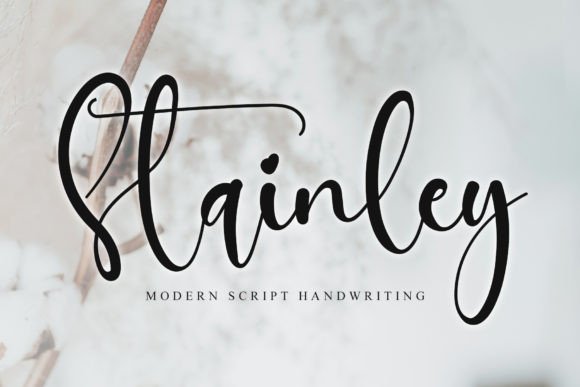
Before diving into implementation, it is essential to define what makes Stainley distinct within the typographic ecosystem. It is characterized by its dainty strokes and fluid movement, which sets it apart from heavy, blocky scripts or rigid handwriting styles. This specific aesthetic makes it particularly suitable for applications where subtlety is key. Unlike fonts that demand immediate attention through boldness, Stainley invites the viewer in, offering a refined reading experience that feels both modern and timeless.
The versatility of this font allows it to adapt to various stages of a creative workflow. In the initial planning phase, designers might use Stainley to sketch out mood boards or define the emotional direction of a brand. During the execution phase, it becomes a primary tool for executing logos, labels, and photography watermarks. Its ability to scale without losing clarity ensures that it remains effective whether used on a large billboard or a small social media profile picture. This consistency is crucial for maintaining quality control across different media platforms.
Strategic Applications Across Industries
For entrepreneurs and small business owners, the visual identity of a company is often the first point of contact with potential customers. Using Stainley in branding projects can immediately elevate the perceived value of a product or service. Imagine a boutique coffee shop using Stainley for its menu labels and packaging. The dainty script conveys a sense of care and artisanal quality, distinguishing the brand from competitors who rely on more generic sans-serif typefaces.
Similarly, photographers and content creators frequently utilize Stainley for watermarking their work. A standard copyright symbol or a basic text overlay can sometimes clash with the artistic integrity of a photograph. Stainley, however, integrates seamlessly into the composition, adding a signature element that enhances rather than detracts from the image. This application is vital for protecting intellectual property while maintaining the aesthetic standards expected by high-end clients.
In the realm of event planning and invitations, the font plays a pivotal role in setting the atmosphere. Special events, such as weddings, galas, or corporate retreats, require a level of formality that is often achieved through elegant typography. Stainley provides the necessary "beautiful script taste" to convey exclusivity and celebration. When designing physical invitations or digital RSVP pages, the choice of this font signals to the guest that the event has been meticulously planned and executed.
Technical Implementation and Workflow Efficiency
One of the most significant advantages of Stainley for busy professionals is its encoding system. The font is PUA encoded, which stands for Private Use Area. While this term might sound technical, its impact on daily workflows is substantial. Standard font files often limit access to a fixed set of characters, requiring complex workarounds to access alternative glyphs or swashes. With PUA encoding, Stainley grants users direct access to all available glyphs and swashes with ease.
This accessibility translates directly into time savings. In a fast-paced environment where deadlines are tight, designers cannot afford to spend hours manually adjusting kerning or searching for alternate character sets. The PUA encoding allows for a seamless insertion of decorative elements, ligatures, and stylistic alternates directly within standard text editors or design software. This feature ensures that the creative process remains fluid, allowing the designer to focus on the layout and composition rather than fighting against the limitations of the font file.
- Preparation: Before starting a project, ensure your design software supports PUA encoded fonts. Most modern vector and raster applications handle this natively, but verifying compatibility early prevents headaches later in the production phase.
- Organization: Create a dedicated library or folder for Stainley swashes and alternate glyphs. Organizing these assets logically will speed up your selection process during the execution phase.
- Consistency: Establish a style guide that defines how and when to use specific Swashes. Consistent application of these elements reinforces brand identity and ensures professional polish.
Integration with Existing Tools and Resources
Stainley does not operate in isolation; it interacts with a wide array of tools and resources in a designer's toolkit. When working with branding projects, it often pairs well with clean, geometric sans-serif fonts for body copy. This combination creates a balanced hierarchy where Stainley handles headlines and logos, while the secondary font ensures readability for longer texts. Understanding this interaction is critical for achieving a cohesive look.
For bloggers and publishers, integrating Stainley into a content management system (CMS) requires careful consideration of web performance and cross-browser rendering. While the font is excellent for print and static images, web usage demands optimization. Converting the font to web-safe formats like WOFF2 ensures that the dainty details remain crisp across devices. Furthermore, testing the font at various sizes is essential to ensure that the thin strokes do not become illegible on smaller mobile screens.
When collaborating with teams, the PUA encoding feature simplifies the handoff process. Since the glyphs are accessible via standard keyboard inputs mapped to the private area, team members do not need specialized plugins or external tools to view or edit the text. This interoperability reduces friction in collaborative environments, ensuring that everyone involved in the project—from the initial strategist to the final printer—sees the intended design accurately.
Long-Term Value and Quality Control
Sustainability in design involves choosing assets that offer long-term value. Stainley is not a fleeting trend; its classic script style ensures it remains relevant for years. Investing in a font that maintains its aesthetic appeal over time reduces the need for frequent rebranding or asset replacement. This stability is particularly important for established businesses that want to maintain a consistent visual language.
Quality control is another factor where Stainley excels. The precision of the glyph shapes and the smoothness of the swashes reflect a high level of craftsmanship. When used in professional contexts, such as high-stakes marketing campaigns or luxury product labels, this attention to detail communicates competence and reliability. Conversely, poor quality fonts can undermine even the best-designed layouts, so the robust nature of Stainley adds a layer of assurance to your final deliverables.
For hobbyists and productivity-minded users, the ease of use provided by the PUA encoding lowers the barrier to entry for sophisticated design. You do not need to be a typographer expert to create professional-looking graphics. The intuitive access to swashes allows users to experiment with different styles quickly, fostering creativity without the frustration of technical limitations. This empowerment encourages more people to engage in design activities, whether for personal blogs, community projects, or side hustles.
Maximizing Outcomes Through Strategic Usage
To truly maximize the benefits of Stainley, it must be used strategically rather than indiscriminately. Overusing script fonts can lead to visual clutter and reduced readability. The key lies in restraint and purposeful placement. Use Stainley to highlight key information, create emotional connections, or establish a focal point. Let it guide the viewer's eye through the content, acting as a visual anchor that ties disparate elements together.
Consider the context of your audience. If you are targeting a demographic that values tradition and elegance, Stainley is a natural fit. However, if your audience prefers minimalism and utility, use Stainley sparingly, perhaps only in the logo or as a subtle accent. Adapting the font usage to the specific needs of your audience demonstrates a deep understanding of design principles and enhances the effectiveness of your communication.
Ultimately, Stainley is more than just a font; it is a tool for storytelling. By integrating it thoughtfully into your workflow, you enhance the narrative of your projects. Whether you are crafting a logo for a startup, designing a label for a handmade product, or watermarking a portfolio, Stainley provides the stylistic foundation needed to make your work stand out. Its blend of dainty beauty and technical efficiency makes it an indispensable asset for anyone serious about elevating their creative output.
As you move forward with your next project, consider how Stainley can serve as a catalyst for better design outcomes. From the initial concept to the final delivery, its presence can add a layer of polish and professionalism that resonates with your audience. By embracing the practical capabilities of this PUA-encoded script, you open up new possibilities for creativity and efficiency in your daily work.